Reiki's heritage
The History of Reiki
From its origins in Japan to the practice we know today
Reiki has its roots in Japan, where it was developed by Mikao Usui in the early twentieth century. Over the years, it has travelled across the world, with practitioners continuing to share and teach this gentle, hands-on practice.
Understanding a little of Reiki's history helps us appreciate the traditions behind it and the people who played a part in bringing it to the wider world.
Mikao Usui and the Origins of Reiki
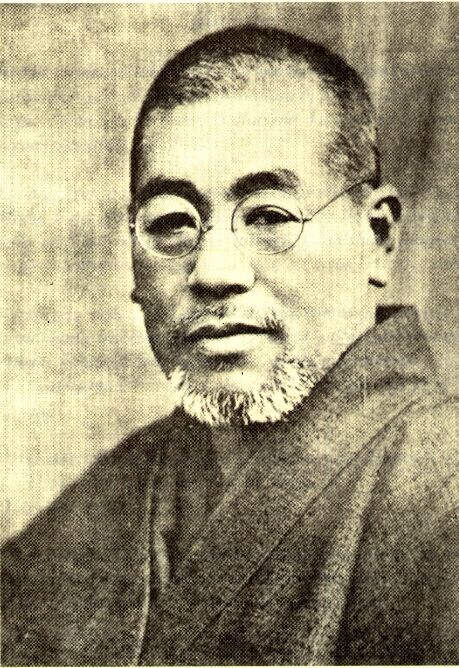
Mikao Usui (1865–1926) is recognised as the founder of the system of Reiki commonly practised today.
In 1922, Usui established his Reiki healing method in Japan, following a period of spiritual practice and reflection associated with Mount Kurama, near Kyoto.
He called his approach Usui Reiki Ryōhō, often translated as the Usui Reiki Healing Method.
His teachings combined hands-on practice with an emphasis on personal development, mindfulness and the way we approach everyday life.
The Five Reiki Precepts
An important part of Usui's teachings is a set of principles often known as the Five Reiki Precepts.
They encourage us to approach each day with greater awareness, kindness and gratitude.
Often expressed in English as:
- Just for today, do not anger.
- Just for today, do not worry.
- Be grateful.
- Work diligently.
- Be kind to others.
Different Reiki traditions use slightly different translations, but the underlying message remains one of thoughtful, compassionate living.
Chujiro Hayashi and the Development of Reiki
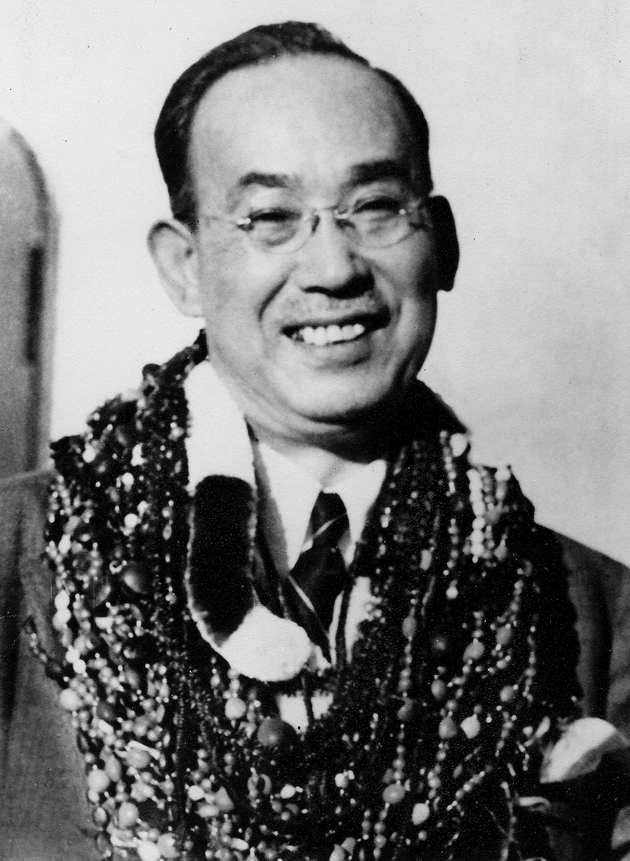
One of Usui's students was Chujiro Hayashi (1880–1940), a former Japanese naval officer who helped develop and share Reiki after Usui's death.
Hayashi established a Reiki practice in Tokyo, where he offered treatments and trained students.
His work played an important part in the development of the hands-on treatment approach familiar to many Reiki practitioners today.
Hawayo Takata and Reiki's Journey West
Hawayo Takata (1900–1980), a Japanese-American woman born in Hawaii, is widely credited with introducing Reiki to a wider Western audience.
During a visit to Japan in the 1930s, Takata received Reiki treatments at Hayashi's clinic and later trained in the practice.
She returned to Hawaii and began offering Reiki treatments and teaching others.
Over the following decades, she helped establish Reiki in North America, training students who would continue to share the practice internationally.
A brief timeline
Reiki Through the Years
- 1865Mikao Usui is born in Japan.
- 1922Usui establishes Usui Reiki Ryōhō, following a period of practice associated with Mount Kurama.
- 1926Usui dies; his students, including Chujiro Hayashi, continue his work.
- 1930sHayashi's Tokyo practice treats and trains students; Hawayo Takata trains there and takes Reiki to Hawaii.
- 1970sTakata trains Reiki Masters who carry the practice across North America and beyond.
- TodayUsui Reiki is practised worldwide — including here at Owl Reiki in Enfield Town.
Reiki Around the World Today
Since the twentieth century, Reiki has spread to many countries, with different schools and teaching traditions developing along the way.
Although approaches can vary, many practitioners continue to recognise the importance of Usui's original teachings, the Reiki precepts and the value of a calm, respectful treatment environment.
Reiki is now offered in private practices, wellbeing settings and some supportive care environments. It is generally used as a complementary practice for relaxation and wellbeing rather than as a replacement for medical treatment.
Continuing the Tradition at Owl Reiki
At Owl Reiki, I practise traditional Usui Reiki, with respect for its Japanese origins and the people who helped bring it to the wider world.
For me, understanding Reiki's history is part of appreciating the practice itself — its simplicity, its traditions and its emphasis on kindness and awareness.
I offer Reiki in a peaceful, welcoming space in Enfield Town, London, where you can take a little time away from everyday life and simply rest.
What is Reiki? →